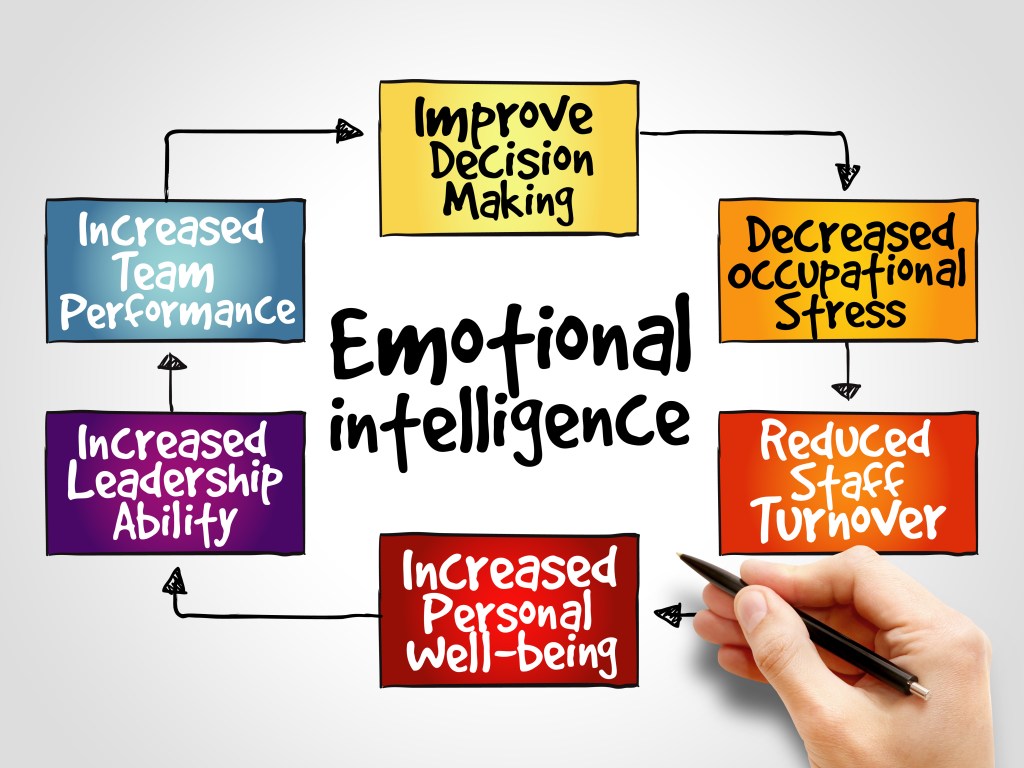
Emotional Intelligence: A Key Leadership Skill
Introduction
Welcome to our exploration of emotional intelligence (EI), a critical skill for effective leadership and supervision. In today’s fast-paced, collaborative work environments, technical skills alone are not enough. Leaders must also understand and manage emotions—their own and those of others—to build trust, resolve conflicts, and inspire their teams.
This page introduces you to emotional intelligence, explains its core components, and demonstrates its importance in developing strong leadership qualities.
What is Emotional Intelligence?
Emotional Intelligence is the ability to:
- Recognize and understand your own emotions.
- Manage your emotions effectively in various situations.
- Perceive and influence the emotions of others to foster productive relationships.
Coined by psychologists Peter Salovey and John Mayer, and popularized by Daniel Goleman, emotional intelligence has been identified as a critical factor in personal and professional success.
The Four Core Components of Emotional Intelligence
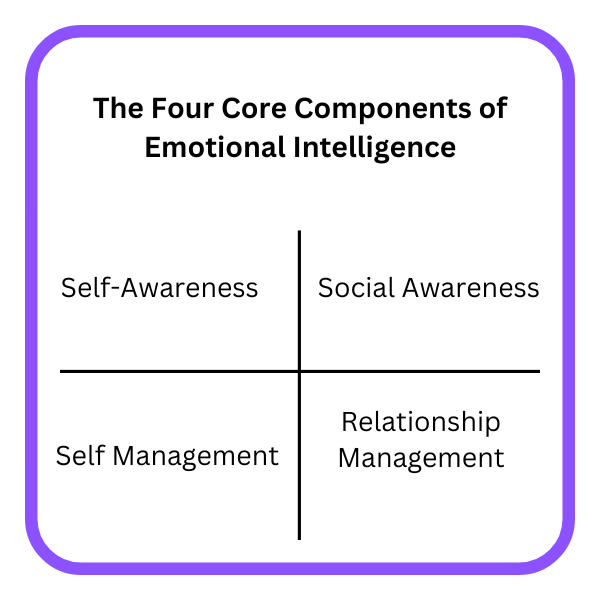
1. Self-Awareness
- Understanding your emotions and how they impact your thoughts and behavior.
- Reflecting on your strengths and weaknesses.
2. Self-Management
- Regulating your emotions, especially in challenging situations.
- Maintaining self-control and adapting to change.
3. Social Awareness
- Sensing the emotions of others and understanding group dynamics.
- Demonstrating empathy and cultural sensitivity.
4. Relationship Management
- Building and maintaining healthy relationships.
- Communicating effectively, resolving conflicts, and inspiring others.
Why Emotional Intelligence Matters in Leadership
Leaders with high emotional intelligence:
- Create a positive work environment where team members feel valued.
- Handle stressful situations with composure and clarity.
- Understand and address the needs of diverse team members.
- Foster collaboration and innovation by managing conflicts constructively.
Research shows that emotional intelligence is a better predictor of leadership success than IQ alone. It bridges the gap between technical expertise and interpersonal effectiveness.
How to Develop Emotional Intelligence
Here are some tips to enhance your EI:
- Practice Mindfulness: Spend time reflecting on your emotional responses.
- Seek Feedback: Ask trusted colleagues for insights into how you handle emotions.
- Empathize Actively: Focus on understanding others’ perspectives and feelings.
- Develop Conflict Resolution Skills: Practice handling disagreements constructively.
- Stay Curious: Cultivate a genuine interest in people’s stories and motivations.
Additional Resources
- Why Emotional Intelligence Is Important in Leadership, Harvard Business School Online
- How Emotional Intelligence Became a Key Leadership Skill, Harvard Business Review
- Emotional Intelligence Skills: What They Are & How to Develop Them, Harvard Business School Online
- Emotional Intelligence Test, Psychology Today
 Professor Gandarilla's Classroom